
large mirror with lights
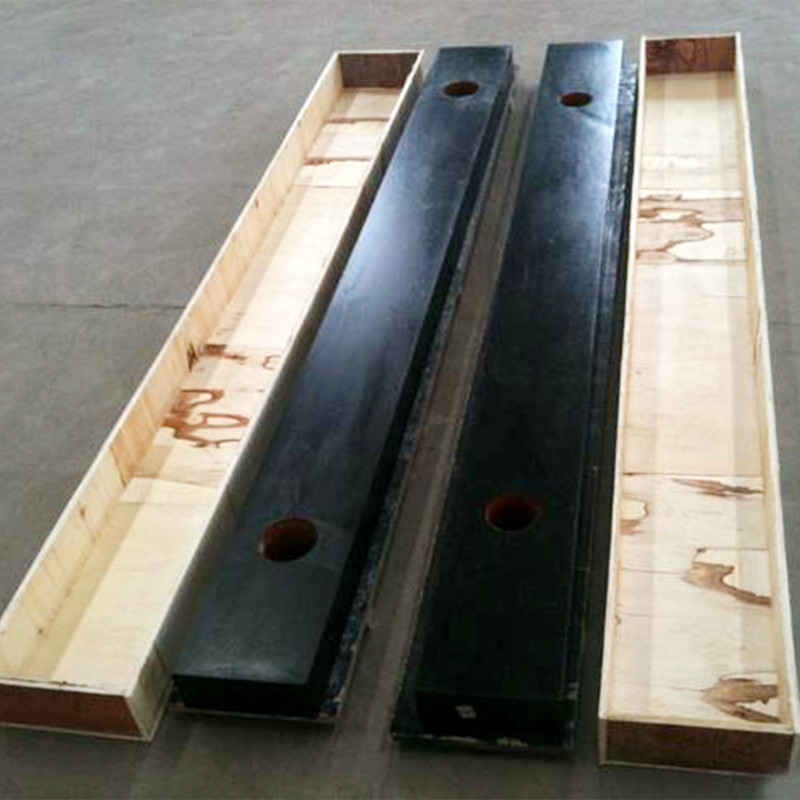
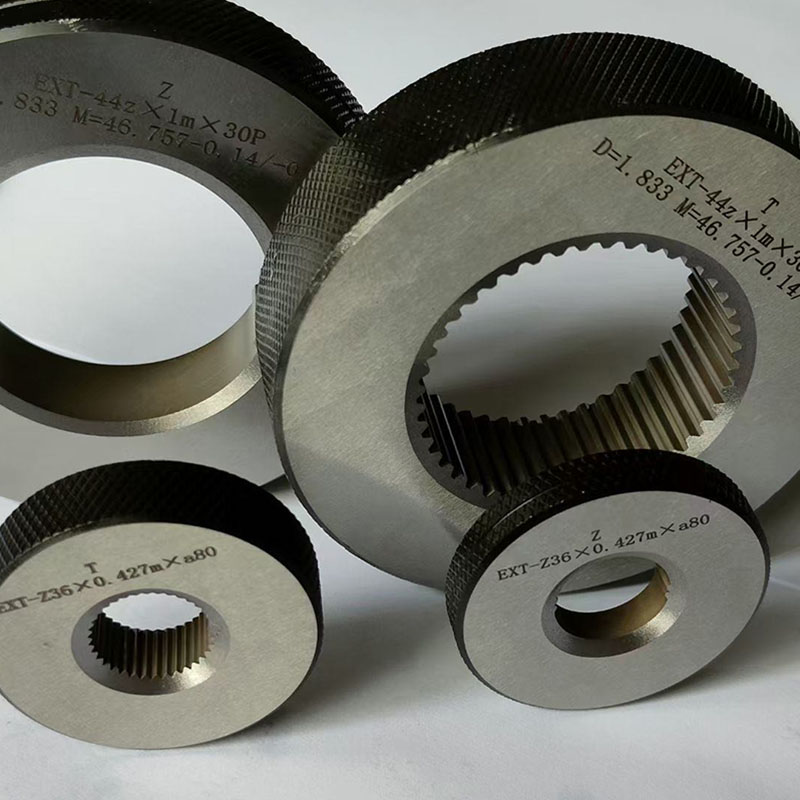
The Importance of Taper Ring Gauges in Precision Engineering In the realm of precision engineering, the significance of accurate measurements cannot be overstated. One indispensable tool used for this purpose is the taper ring gauge. Taper ring gauges are specialized instruments designed to measure the internal dimensions of circular items, particularly those that require a specific taper or angle for proper fitting. Their unique design and functionality make them essential in various industrial applications, from manufacturing to quality control. Understanding Taper Ring Gauges A taper ring gauge consists of a ring-shaped tool that has a tapered interior. The taper allows the gauge to fit into various sizes of holes, providing a reliable way to measure the internal diameter of a part. Typically, these gauges are made from high-strength materials such as tool steel or hardened alloys to withstand wear and tear during frequent use. The precision of the taper is critical, as it determines the gauge's ability to provide accurate readings. These gauges are often calibrated to specific angles, ensuring that they can measure a range of dimensions precisely. Generally, the taper is set at a standard angle, such as 120 or 150, which allows for measurement across different sizes effectively. The design enables engineers and machinists to check whether a component fits within the required tolerances, thus guaranteeing the quality and functionality of the finished product. Applications in Industry Taper ring gauges find their primary applications in manufacturing sectors that require tight tolerances and high precision. Industries such as automotive, aerospace, and electronics depend on these tools to confirm that components will fit correctly and function as intended. For instance, in the automotive industry, the precise fitting of parts like shafts and bearings is crucial to ensuring the longevity and performance of vehicles. Any deviation from specifications can lead to mechanical failures, safety hazards, and costly recalls. taper ring gauge Additionally, taper ring gauges are also employed in the inspection phases of production. Quality control teams use these gauges to verify that the machining processes are accurate and adhere to design specifications. This helps in maintaining a high level of quality in products, ultimately enhancing customer satisfaction. Advantages of Using Taper Ring Gauges The use of taper ring gauges comes with numerous advantages. Firstly, they offer high accuracy, which is essential in industries where tolerances are critical. These gauges also allow for quick measurements, making them efficient tools for engineers and machinists who have to work with numerous components daily. Moreover, taper ring gauges are relatively easy to use. They require minimal training, enabling even novice operators to measure components accurately. Their robustness and durability mean they can withstand the rigorous demands of industrial environments, making them a cost-effective investment for companies. Conclusion In summary, taper ring gauges play a vital role in precision engineering and manufacturing. Their ability to provide accurate measurements of internal dimensions ensures that components fit together correctly, which is crucial for the functionality and safety of various applications. As industries continue to demand higher levels of precision, the importance of taper ring gauges will only grow. By maintaining rigorous quality standards and investing in reliable measuring tools, manufacturers can ensure that their products meet the highest levels of excellence. Thus, taper ring gauges remain a cornerstone of quality control and precision measurement in modern engineering practices.
about
large mirror with lights
Replacing the Main Water Shut-Off Valve A DIY Guide The main water shut-off valve is a crucial component of any plumbing system, responsible for controlling the flow of water into your home. Over time, these valves can corrode, become worn out, or develop leaks, necessitating a replacement. Understanding the process of replacing your main shut-off valve can save you money and give you a sense of accomplishment. Here’s a comprehensive guide on how to do it safely and effectively. Understanding the Valve Before diving into the replacement process, it's important to understand what the main shut-off valve is and its role in your plumbing system. Typically located near your water meter, this valve allows you to shut off the water supply to your entire home during emergencies or when conducting plumbing repairs. A faulty valve can lead to unexpected leaks, water damage, or increased water bills, making timely replacement essential. Tools and Materials Needed To replace your main water shut-off valve, you’ll need the following tools and materials - Pipe wrench - Adjustable wrench - Teflon tape - Replacement valve (ensure it's the correct size and type) - Bucket or towels (to catch any residual water) - Safety goggles - Gloves Steps to Replace the Valve 1. Turn Off the Water Supply Before you begin the replacement, turn off the main water supply to your home at the water meter. You may also need to schedule this for a time when you can manage without water for a few hours. replacing main water shut off valve 2. Drain the Pipes Open faucets in your sinks and tubs to drain any remaining water from the pipes. This will minimize water spillage when you disconnect the old valve. 3. Remove the Old Valve Using the pipe wrench, loosen the nuts that hold the valve in place. Depending on the type of valve and the positioning, this may require some effort. Once loosened, you can carefully remove the valve from the pipe. Make sure to place a bucket or towels underneath to catch any residual water. 4. Prepare the New Valve Before installing the new valve, wrap Teflon tape around the threads of the pipe to ensure a good seal. This will help prevent any leaks once the new valve is in place. 5. Install the New Valve Position the new valve over the pipe and hand-tighten it. Use the adjustable wrench to secure it further, but be careful not to overtighten, as this can damage the fittings. 6. Check for Leaks Once the new valve is installed, slowly turn the water supply back on. Check around the new valve for any signs of leaking. If you notice any, you may need to tighten the fittings more or double-check that the Teflon tape is applied correctly. 7. Test the Valve After ensuring there are no leaks, test the functionality of the new valve by turning it on and off. Make sure it operates smoothly without any hitches. Conclusion Replacing the main water shut-off valve is a manageable DIY project that can greatly enhance the reliability of your plumbing system. While it requires some effort and basic plumbing knowledge, following the steps outlined above can help you tackle the job with confidence. However, if at any point you feel uncertain about the process, don't hesitate to call a professional plumber. Ensuring a secure installation will protect your home from potential water damage and gives you peace of mind knowing that your system is in good working order. Happy plumbing!
-

High quality industrial productsagement

High quality industrial products
View Details -

Meet the diverse needs of customers

Meet the diverse needs of customers
View Details -

Strict quality control

Strict quality control
View Details -

Top raw materials

Top raw materials
View Details -

Trusted supplier

Trusted supplier
View Details
Our application


news and information
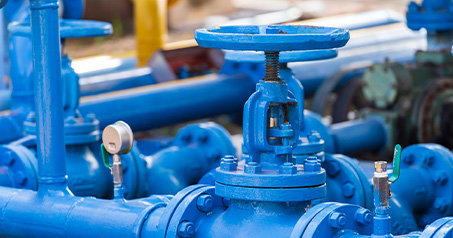
which way is open on a water valve
Understanding Water Valve Orientation Which Way is Open? Water valves are crucial components in plum

Válvula de gate de 400mm para sistemas de tubulação industriais e comerciais
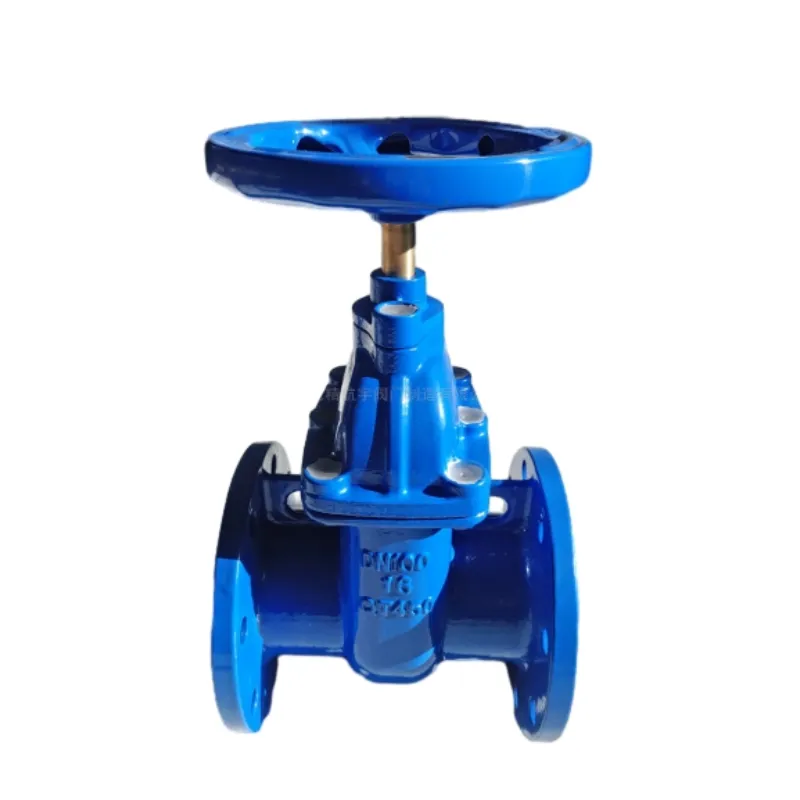
400mm gate valve .
Water valve with a flow rate of 0.5% for efficient water control.
Water valves are an essential part of any plumbing system. They control the flow of water, allowing
 English